
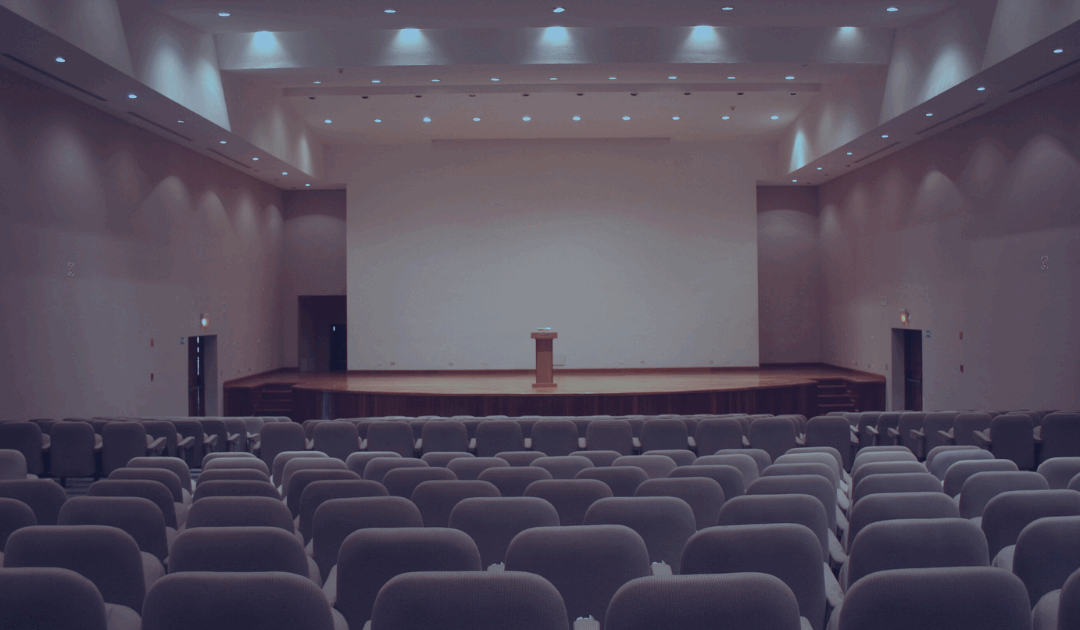
I was shocked to learn that this year’s American Dental Association SmileCon will be the last annual meeting in its current format. Rising costs and meeting attendance that never rebounded to pre-COVID levels were cited as reasons.
Privately, many clients have told me that their meetings are losing money. Others have folded one meeting into another to preserve popular meetings that are not financially sustainable. It makes me wonder: will association meetings disappear?
The short answer is no. But the longer answer is that some already have, some will, and many will look different going forward.
I checked with Dave Lutz, Managing Partner of Velvet Chainsaw Consulting, who spends all his time in the meetings space. It’s not just audio visual and food and beverage expenses that are challenging meetings. Decorator expenses have also increased 25–30% and attrition challenges are being caused by government cutbacks and a sharp decline in international attendance.
I asked Dave what questions associations should be asking as they wrestle with the challenge of hosting profitable meetings. Here’s what he suggested:
- Who are our future attendees? Succession planning is critical.
- Is now the right time to increase pricing? (Most of his clients and competitive intel say YES. 10% increases are being seen more than ever.)
- What is the downstream impact of declining member participation? Often meeting attendance is the, or one of the, biggest tangible member benefits.
In response to the above, here are some meeting trends Dave and his team are seeing:
- More just-in-time content. Associations are holding back a session room or two for late-breaking or emerging issues and filling them 30-90 days prior to the start of the meeting using “this just added” communications to demonstrate relevance for their industry.
- Fewer professional speakers, but using emcees (aka content weavers) to get the most out of industry leaders and SMEs. (By the way, this is one of the services I offer if you’re looking for someone.)
- Modernizing the meeting experience. Re-imagining awards and main stage traditions like the president’s address.
- Going on a session diet. Shorter meetings and/or fewer concurrent sessions.
The sense of urgency around declining meeting profitability is a permission-giver for experimenting in new meeting formats and traditions and is an invitation for refreshing and modernizing your meetings. The biggest pushback will likely come from long-time attendees who enjoy the comfort of a familiar schedule. Keep some aspects of your meetings the same while you evolve others. Not only is it a way to keep your meetings from getting stale, it may be the only way to keep them profitable, too.
P.S. If you want to learn more from Dave, he has great articles on Proactive Planning in Uncertain Times, 5 Post-Pandemic Conference Program Design Changes, Attracting and Engaging High Potentials, and DOGE and Its Potential Impact on Scientific Meetings.